Da Nang travel has quietly become one of Vietnam’s favorite stories. Long, sandy beaches meet a modern skyline here, and old fishing villages sit right next to trendy cafes. As a local guide, I want to show you the city the way we actually live in it, not just the postcard version. So, let’s walk through it together, one neighborhood at a time.
What Makes Da Nang Travel So Special?
Da Nang travel stands out because the city blends beach, mountain, and culture in one compact area. You can swim at sunrise, explore ancient sculpture by noon, and hike marble caves by afternoon. Because everything sits close together, you save time and avoid long transfers. This makes Da Nang ideal for both short weekend trips and longer stays.
Unlike Hanoi or Ho Chi Minh City, Da Nang feels calmer. Traffic moves slower, and the pace of life follows the tide more than the clock. Consequently, many travelers use it as a relaxing base before or after a busier trip.
Meanwhile, the city keeps investing in its waterfront, bridges, and public parks. As a result, Da Nang travel today looks quite different from ten years ago, though the warmth of the people has stayed the same.
Even so, small details still tell the local story. Fishermen still cast nets at dawn near the same beaches where hotels now stand. Consequently, visitors often notice how tradition and growth sit side by side here, rather than replacing one another.
When Is the Best Time for Da Nang Travel?
Timing shapes your whole trip, so let’s break the year into two simple seasons.
Dry Season (February to August)
This period offers the sunniest days and the calmest sea. Therefore, most visitors plan their Da Nang travel around these months. June and July run hottest, so early mornings work best for outdoor activities.
Also, this season lines up with several local festivals, including the Da Nang International Fireworks Festival. Because hotels fill up quickly then, booking early really helps.
Wet Season (September to January)
Rain becomes more frequent during these months, and occasional storms may affect coastal areas. However, prices drop, and the crowds thin out considerably. If you don’t mind a rain jacket, this season still offers good value.
Top Things to Do During Your Da Nang Travel
Once you land, a few experiences deserve a spot on every itinerary.
My Khe Beach
Often called one of Asia’s most beautiful beaches, My Khe stretches for kilometers along the city’s edge. Soft sand meets clear water here, and beach chairs line the shore each morning. Afterward, seafood shacks nearby serve fresh grilled fish as the sun goes down.
Marble Mountains
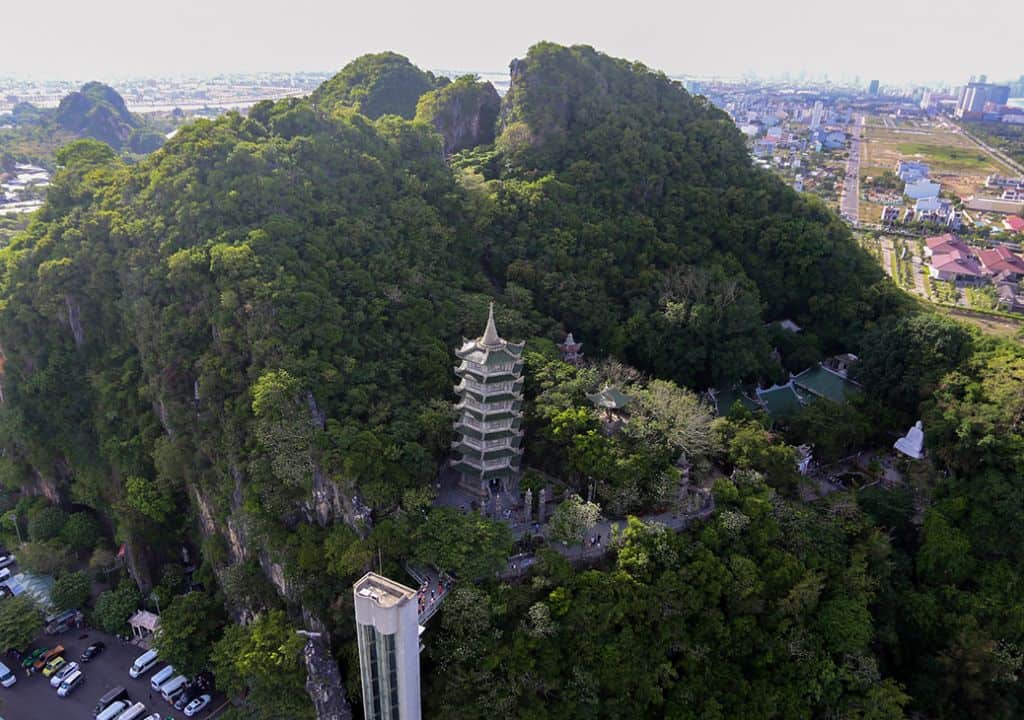
Five limestone hills rise suddenly from flat land just south of the city. Inside, caves hide Buddhist shrines and pagodas carved into the rock. Because the climb involves stairs, comfortable shoes make the visit much easier.
Ba Na Hills and the Golden Bridge
Two giant stone hands appear to hold up this famous bridge above the clouds. A cable car ride takes you up the mountain first, so the journey itself becomes part of the fun. Once you’re there, French-style villages and gardens fill the hilltop.
Da Nang Museum of Cham Sculpture
For a quieter afternoon, this museum houses sandstone carvings from the ancient Champa Kingdom. Since the collection dates back over a thousand years, history lovers usually stay longer than planned.
Easy Day Trips From Da Nang
Because Da Nang sits centrally along the coast, several historic towns lie within easy reach.
Hoi An Ancient Town
Just 30 minutes south, lantern-lit streets and old merchant houses fill this UNESCO-listed town. According to the UNESCO World Heritage Centre, the town preserves a rare, well-kept trading port from the 15th to 19th centuries. Evenings here glow warmly, so many travelers plan a sunset visit.
Hue Imperial City
Further north, Hue once served as Vietnam’s royal capital. Palaces, gates, and moats still stand from that era. As explained on Wikipedia’s Hue entry, the Imperial City formed the political center of the Nguyen Dynasty for over a century. A day trip works well, though an overnight stay allows more time to explore.
Where to Eat: Da Nang’s Local Flavors
Food plays a huge role in any Da Nang travel plan, and rightly so. Mi Quang, a turmeric-colored noodle dish, appears on almost every local menu. Meanwhile, banh xeo, a crispy stuffed pancake, pairs perfectly with fresh herbs and dipping sauce.
For something lighter, try banh trang cuon thit heo, a build-your-own rice paper roll. Because it’s interactive, this dish often becomes a favorite among first-time visitors. Street vendors near the Han River usually serve the freshest versions.
Additionally, seafood lovers should head to the fishing wharves at dusk. There, buckets of live crab, clams, and squid wait beside small plastic tables. Since prices depend on the day’s catch, it always helps to ask before ordering.
Coffee culture matters here too. Vietnamese egg coffee and salted coffee both originated further north, yet Da Nang cafes have embraced them fully. So, a slow afternoon coffee often becomes part of the daily rhythm.
Practical Tips for Da Nang Travel
Before you go, a few logistics can smooth out your whole trip.
Getting Around
Grab, the local ride-hailing app, works well for short trips. Alternatively, renting a scooter gives you more freedom, though a valid license is required. For day trips, a private car with a driver often makes the most sense.
Walking also works surprisingly well near the beach and riverside areas. Since sidewalks stay fairly flat and shaded in parts, short strolls feel manageable even in warmer months. Still, midday heat means it’s wise to carry water.
Where to Stay
Beachfront hotels along My Khe suit travelers who want easy ocean access. On the other hand, the riverside area near the Dragon Bridge stays closer to restaurants and nightlife. Either option puts you within a short ride of the main sights.
Budget Tips
Street food costs very little, so daily meals rarely strain a budget. However, sunset cruises and cable car tickets add up if booked separately. Bundling activities through a local tour operator usually saves both time and money.
Ready to Plan Your Da Nang Travel?
Da Nang rewards travelers who slow down and look a little closer. Between the beaches, the mountains, and the food, there’s always one more corner worth exploring. Whenever you’re ready, our team can help turn this guide into a real itinerary.
Browse our Da Nang tour packages for guided experiences built around these very highlights. Alternatively, if you have questions or need a custom plan, feel free to contact our team directly. Either way, we’re happy to help you experience Da Nang the way locals actually see it.