Every year, when the cold winter fades and spring begins to bloom, Hanoi Tet arrives — the most joyful and meaningful time of the year. Tet, or Lunar New Year, is when Hanoians return home, honor ancestors, and welcome a fresh start filled with hope and happiness.
The Spirit of Tet in Hanoi
Unlike other holidays, Tet in Hanoi carries a deep emotional value. Streets light up with red decorations, and the scent of incense and bánh chưng (square sticky rice cake) fills the air. Families clean and decorate their homes days before Tet to sweep away bad luck and invite good fortune for the new year.
People also prepare offerings for their ancestors, including fruits, candies, and bánh chưng. It’s not just a religious act — it’s a way to express gratitude to past generations and wish for blessings in the year ahead.
Hanoi’s Unique Tet Decorations
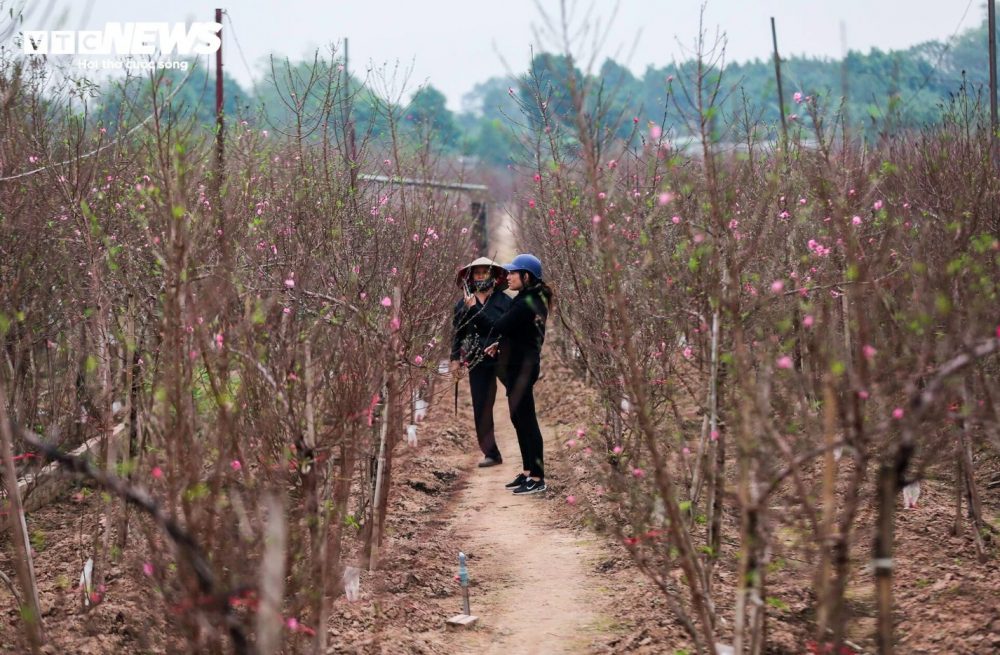
Every corner of the city bursts with festive color. Locals buy peach blossoms (hoa đào) instead of apricot flowers, which are popular in southern Vietnam. The pink blossoms symbolize love, luck, and happiness.
Markets like Quang Ba Flower Market become crowded with people shopping for Tet decorations. Families also hang red couplets (câu đối đỏ) on their doors — written with wishes for prosperity, peace, and health.
Traditional Hanoi Tet Dishes
Tet wouldn’t be complete without its special dishes. In Hanoi, the most iconic food is bánh chưng — sticky rice filled with mung beans and pork, wrapped in green leaves and boiled for hours. Making bánh chưng is a family tradition that brings generations together.
Other Tet favorites include:
Giò lụa (Vietnamese pork sausage) – a must-have on every table.
Dưa hành (pickled onions) – adds a tangy flavor to balance the rich dishes.
Mứt Tết (candied fruits) – sweet treats for guests during visits.
Sharing these foods represents family unity and the hope for abundance in the coming year.
Festive Activities in Hanoi
During the first days of Tet, Hanoians visit temples and pagodas like Tran Quoc Pagoda or Ngoc Son Temple to pray for peace and success. Streets such as Hang Ma and Hoan Kiem Lake become gathering spots where people take photos, enjoy lion dances, and watch fireworks.
Children receive lì xì — red envelopes filled with lucky money — from elders, symbolizing wishes for good fortune and growth. Families spend these days visiting relatives and friends, exchanging greetings like “Chúc Mừng Năm Mới” (Happy New Year).
Modern Touches to Hanoi Tet
While many traditions remain, Tet in modern Hanoi also blends old and new. Young people often travel, join street festivals, or share New Year moments online. Cafes reopen quickly, offering festive drinks and decorations, showing that Hanoi keeps its cultural roots while embracing a modern spirit.
Why Hanoi Tet Is So Special
Tet in Hanoi is more than just a holiday; it’s a celebration of family, tradition, and renewal. Every smile, every meal, and every flower represents hope for a better year ahead. Experiencing Tet in Hanoi gives you not only cultural insight but also a deeper understanding of Vietnamese warmth and togetherness.
Read more about Common Mistakes First-Timers Make in Hanoi
Learn more about Vietnam’s Lunar New Year on the Tourism website