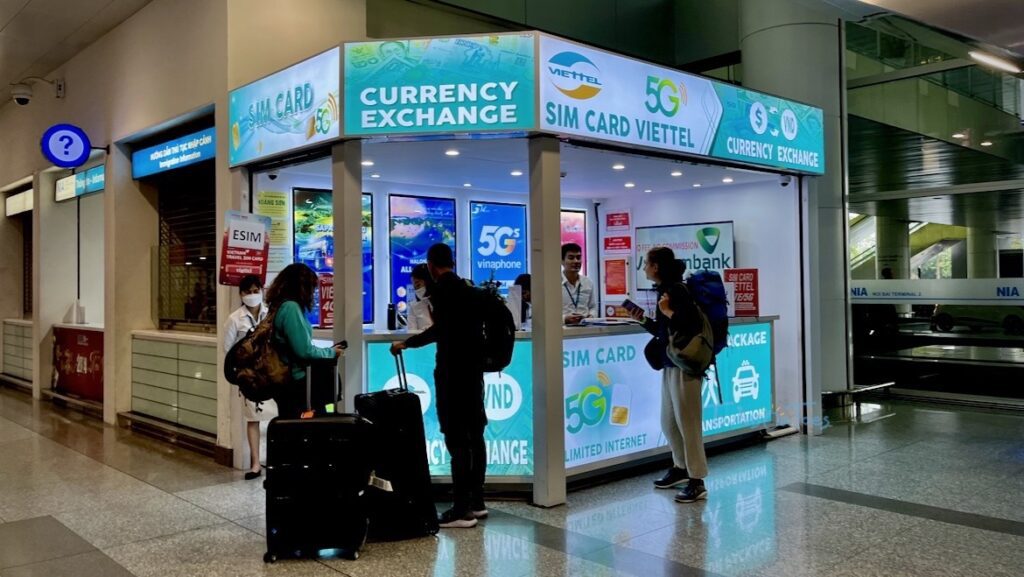
When visiting Vietnam, understanding how to exchange money, make payments, and get a local SIM card can make your trip much smoother. This guide will help you manage your money, stay connected, and avoid unnecessary trouble during your travels.
Money Exchange in Vietnam
The official currency of Vietnam is the Vietnamese Dong (VND). Banknotes come in denominations from 1,000 to 500,000 VND, and coins are no longer used.
1. Where to Exchange Money
You can exchange foreign currency at banks, official exchange counters, and some hotels. In major cities like Hanoi, Da Nang, and Ho Chi Minh City, licensed money exchange shops often offer competitive rates. Avoid exchanging at airports if possible, as the rates are usually less favorable.
For the best exchange rates, bring USD, EUR, or AUD notes in good condition. Torn or damaged bills may be rejected.
2. Tips for Safe Exchange
Always count your money carefully before leaving the counter.
Ask for smaller notes (e.g., 100,000 VND or 50,000 VND) for easier spending.
Keep receipts from banks or licensed exchangers in case you need to exchange back.
💡 Tip: You can also withdraw VND directly from ATMs. Most accept Visa, Mastercard, and UnionPay cards. Be aware of withdrawal fees, which range from 1%–3%.
Payment Methods in Vietnam
Cash is still widely used, but digital payments are becoming more common—especially in tourist areas.
1. Paying by Cash
Small restaurants, street vendors, and local markets usually accept cash only. Always keep some small bills for daily expenses such as food, taxi fares, and tips.
2. Paying by Card or App
Large hotels, malls, and restaurants accept credit and debit cards (Visa, Mastercard). However, a 2–3% service charge may apply.
In addition, mobile payment apps like MoMo, ZaloPay, and VNPay are popular among locals. Some shops even accept Apple Pay or Google Pay. Still, you’ll need a Vietnamese bank account to use local apps fully.
3. Currency Conversion
When paying by card, choose to pay in VND instead of your home currency. This helps you avoid extra conversion fees added by foreign banks.
Buying a SIM Card in Vietnam
Staying connected is easy in Vietnam. Travelers can purchase prepaid SIM cards at airports, convenience stores, or mobile provider shops.
1. Major Mobile Providers
Vietnam has four main networks:
Viettel – Best nationwide coverage, great for remote areas
Vinaphone – Fast data and good city coverage
Mobifone – Reliable service and flexible plans
Vietnamobile – Affordable but limited coverage in rural areas
2. Where to Buy a SIM Card
You can buy a SIM card upon arrival at the airport or in city centers. Most vendors will help you activate your SIM and register it using your passport.
Typical prices range from 100,000 to 300,000 VND, depending on the data package. Unlimited 4G data for 7–30 days is common and very convenient for tourists.
3. Tips for Tourists
Choose Viettel or Vinaphone if you plan to travel across Vietnam.
Check your balance by dialing 101# (for Viettel).
Avoid buying SIM cards from street sellers to prevent scams.
Staying Connected and Prepared
A working SIM card not only helps you stay in touch but also enables Google Maps, translation apps, and ride-hailing services like Grab. Having data access will make your travel more flexible and stress-free.
Conclusion
Understanding Vietnam money exchange, payment options, and SIM card setup will help you travel like a local. With a few simple steps, you can enjoy your trip without worrying about communication or cash issues.
Whether you’re relaxing on Da Nang’s beaches or exploring Hoi An’s lantern-lit streets, managing these essentials makes your journey smoother and safer.
Travel Combo: Da Nang and Hoi An in One Trip
Vietnam Tourism Information