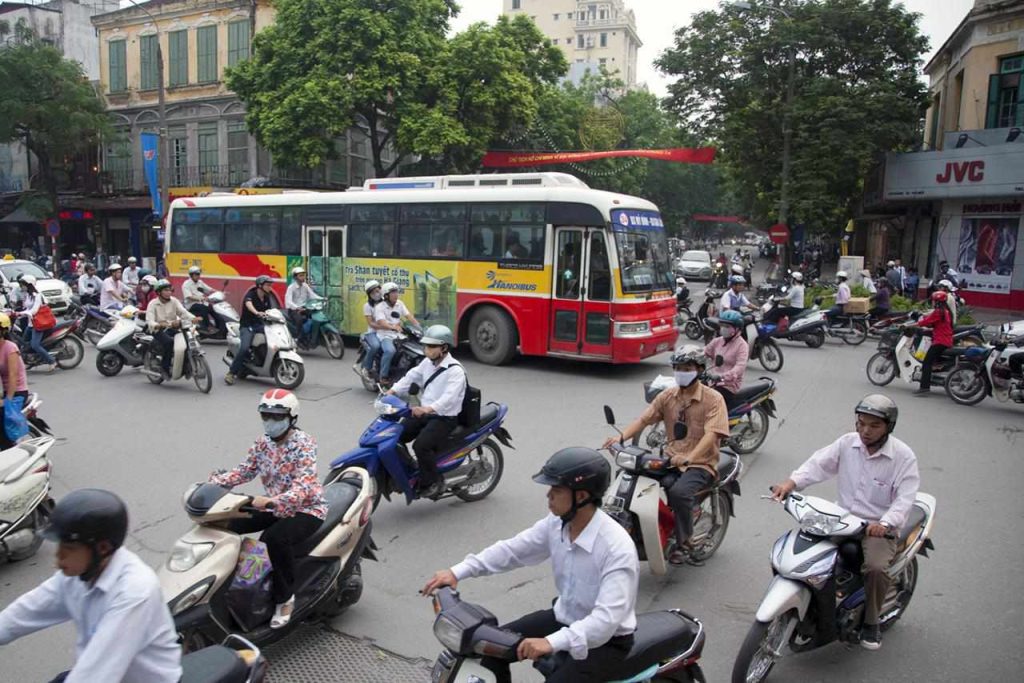
Exploring Vietnam’s capital is an adventure in itself. With bustling streets, endless motorbikes, and traditional charm blending with modern life, knowing how to get around is essential. This Hanoi transportation guide will help you navigate the city comfortably and make the most of your journey.
Public Transportation in Hanoi
Buses – Affordable and Convenient
Hanoi’s bus system connects most districts, offering one of the cheapest ways to travel. Routes cover tourist attractions such as Hoan Kiem Lake, the Old Quarter, and even Noi Bai Airport. Tickets cost less than $0.50, making buses ideal for budget travelers.
Check official Hanoi bus routes.
Hanoi Metro – A New Option
The recently opened Cat Linh–Ha Dong metro line is Hanoi’s first urban railway. It provides a clean, modern, and time-saving alternative to crowded roads. Though limited in coverage, it is expanding and expected to play a major role in future transportation.
Taxis and Ride-Hailing Apps
Traditional Taxis
Reliable taxi companies like Mai Linh and Vinasun operate across Hanoi. Ensure the meter is running to avoid overpaying. For short distances, taxis are comfortable and safe.
Grab and Be Apps
Ride-hailing services such as Grab or Be are extremely popular. They allow you to book motorbikes or cars through your phone, offering transparent pricing and convenience. This method is often faster than traditional taxis during peak hours.
Motorbike Adventures
Renting a Motorbike
Riding a motorbike is a classic Hanoi experience. Rentals are widely available for around $6–10 per day. However, traffic can be intense, so it suits experienced drivers. Always wear a helmet and carry an international driving permit if required.
Motorbike Taxis (Xe Ôm)
If you don’t want to drive, local motorbike taxis are a fun option. Today, most operate via GrabBike, giving you safe, affordable rides through busy streets.
Walking Around Hanoi
The Old Quarter and French Quarter are best explored on foot. Narrow alleys, coffee shops, and street food stalls reveal the city’s vibrant culture. Walking also allows you to experience hidden gems that vehicles cannot reach.
For a cultural itinerary, explore our Hanoi travel guide
Longer Journeys
Train Travel
Hanoi Railway Station connects the capital with destinations such as Sapa, Hue, and Ho Chi Minh City. Overnight trains are comfortable and provide a unique way to see Vietnam’s countryside.
Airport Transfers
Noi Bai International Airport lies 30 km from the city center. Travelers can choose between airport buses, shuttles, taxis, or private car services depending on budget and comfort.
Tips for Navigating Hanoi
Use Google Maps or Grab for directions.
Avoid rush hours (7–9 AM and 5–7 PM).
Carry small cash for buses and taxis.
Walk cautiously when crossing busy streets.
Conclusion
This Hanoi transportation guide highlights every option available, from public buses and metro to taxis and motorbikes. Whether you’re a budget traveler or seeking comfort, Hanoi offers diverse choices to fit your needs. With the right planning, getting around the city will feel effortless, leaving you more time to enjoy its unique charm.